
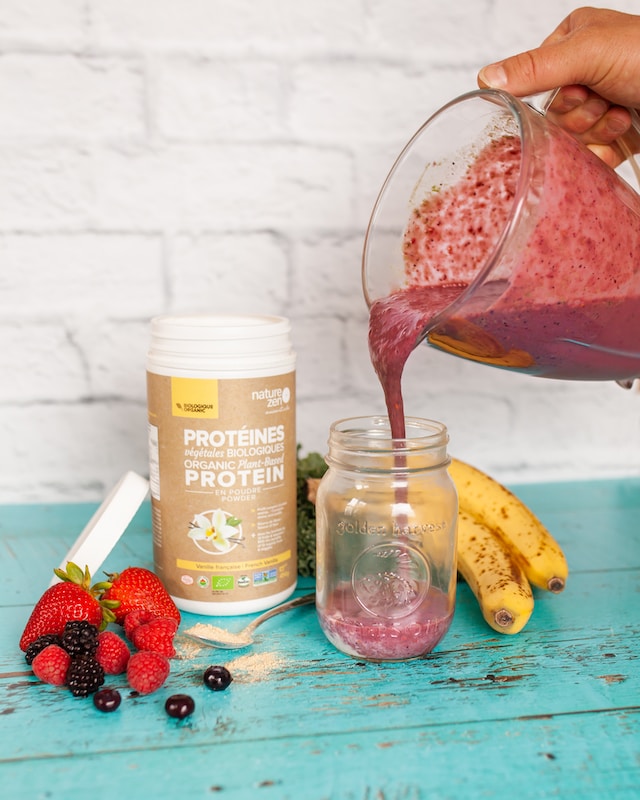
There are many benefits to eating a plant-based diet, including improved health, a lower risk of disease, and a reduced chance of weight gain. However, you may wonder how to incorporate these healthy foods into your diet best.
Protein
Protein is a significant nutrient in the diet; your body needs it to maintain proper functioning. There are 20 different amino acids (amino ‘letters’) that can be combined to form proteins, which help to build and repair cells, organs, and tissues in your body. Animal-based foods like meat, fish, and dairy products are high in protein and contain all the essential amino acids your body needs to function correctly. However, plant-based protein sources such as beans, nuts, and seeds often lack one or more essential amino acids, which is why they are considered incomplete proteins. Fortunately, vegan protein powder unflavored can be a great way to get adequate protein without compromising your diet. Eating a diet high in plant-based proteins has been linked to a lower risk of many diseases.
Electrolytes
Electrolytes supplement and a plant-based diet can help improve your health. It has been shown to help lower blood pressure, cholesterol levels, and body mass index and reduce the risk of heart disease. A diet high in plants also positively affects your immune system. It helps resolve inflammation linked to chronic conditions such as cancer and arthritis. Plants also contain vitamins and minerals that promote good health, including zinc, iron, and calcium. Zinc, in particular, may help lower the risk of certain cancers. Similarly, plant protein can help prevent heart disease and diabetes. It has been shown to increase HDL, or good cholesterol while reducing LDL, or bad cholesterol. Plant proteins can also help you feel fuller for longer. They often contain more fiber, which helps your digestion and promotes good gut bacteria.
Fats
Plant-based foods are a great source of fiber, vitamins, minerals, and healthy fats. These nutrients and organic collagen peptides keep your body functioning correctly and help you lose weight. In addition, a plant-based diet can reduce your risk of heart disease, high cholesterol, and type 2 diabetes, among other health conditions. A plant-based diet can also improve your mood and energy levels. Plant-based protein is more nutrient-dense than animal protein and contains many amino acids your body needs. It is low in saturated fat and calories, and it can improve insulin function and increase satiety.
Carbohydrates
Carbohydrates are the primary energy source for your body. They’re found in fruits, vegetables, whole grains, beans, and nuts. They come in two forms: simple carbohydrates, which contain just one or two sugar molecules, and complex carbs, which include three or more. Simple carbohydrates are also found in candy, soda, and syrups but lack the vitamins, minerals, and fiber that make them healthy. A plant-based diet can help you lose weight and maintain a healthier lifestyle. One study found that people who ate three to four servings of fruits and vegetables per day had a lower risk of premature death from any cause than those who ate less of both types of food. Plant proteins, such as seeds, nuts, legumes, and vegetables, can help keep you full longer. They also provide nutrients lacking in animal proteins, including vitamin B12, iron, zinc, and magnesium.